Market Architecture Analysis
A technical review of the Torzo Market Mirrors infrastructure, historical evolution, and cryptographic standards.
Executive Summary
Torzo Market Mirrors (commonly referred to as Torzon) represents a specific iteration of hidden service architecture within the Tor network. Established to facilitate the exchange of digital goods, services, and information, the platform operates on a decentralized model utilizing the V3 Onion protocol.
Unlike centralized e-commerce platforms, the Torzon infrastructure relies on a mesh of mirror nodes to maintain availability against network latency and Distributed Denial of Service (DDoS) attacks. This research hub aims to document the technical specifications, uptime reliability, and security practices verified by independent observers.
Quick Facts
- Established: 2022 (Beta)
- Protocol: Onion V3
- Currency: XMR / BTC
- Security: Multisig / 2FA
Operational Timeline
Infrastructure Initialization
Early network signals indicated the deployment of the initial Torzon server cluster. Beta testing was conducted with a limited user base to stress-test the escrow systems and onion routing latency. This phase focused heavily on backend stability rather than user interface.
Public Integration & PGP Standardization
The platform formally opened registration. A significant update mandated PGP 2FA (Two-Factor Authentication) for all vendor accounts, setting a new standard for operational security. Support for Monero (XMR) was prioritized to enhance transaction privacy on the blockchain.
Distributed Mirror Network
In response to network congestion, the current architecture utilizes a rotating "mirrors" system. This allows users to access the market via verified alternative links if the main gateway experiences high latency. Introduction of walletless direct-pay systems has reduced the risk of centralized fund storage.
Technical Architecture
Cryptographic Verification
The platform utilizes RSA-4096 keys for administrative signatures. All mirrors are signed with the market's master key, allowing users to verify authenticity locally before inputting credentials. This prevents "phishing" via man-in-the-middle attacks.
Financial Privacy
While Bitcoin (BTC) is supported with mixers, the architecture heavily favors Monero (XMR). The backend integrates sub-addresses for every order, decoupling the user's identity from the transaction history on the public ledger.
Resillience Strategy
Torzon employs a proprietary proof-of-work (PoW) challenge on the entry nodes (captchas) to mitigate automated DDoS attacks. This filters bot traffic before it reaches the core application servers.
Platform Interface Analysis
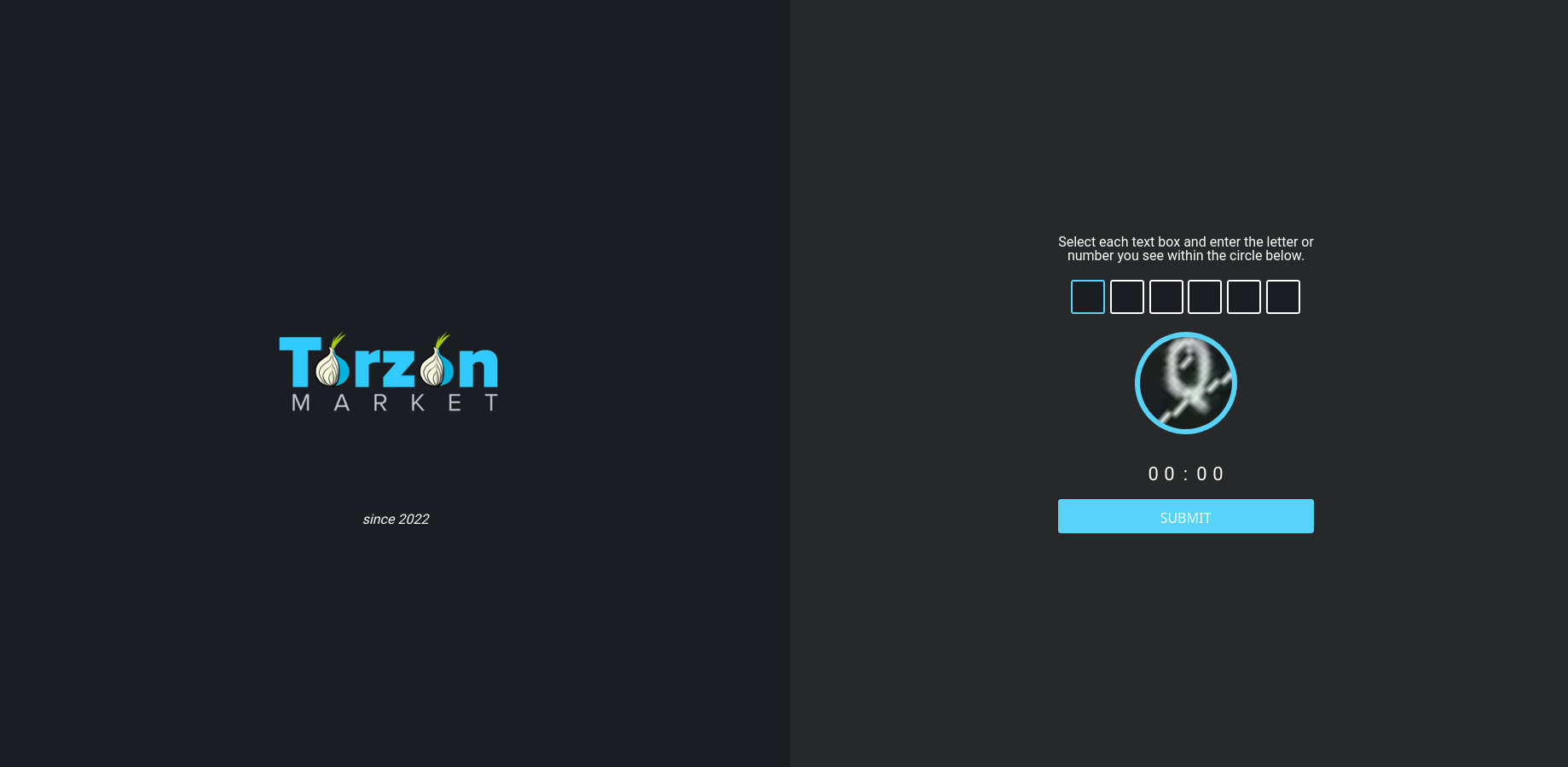
Fig 1. DDoS Protection Screen
Initial entry point utilizing proof-of-work captchas to filter automated botnets.
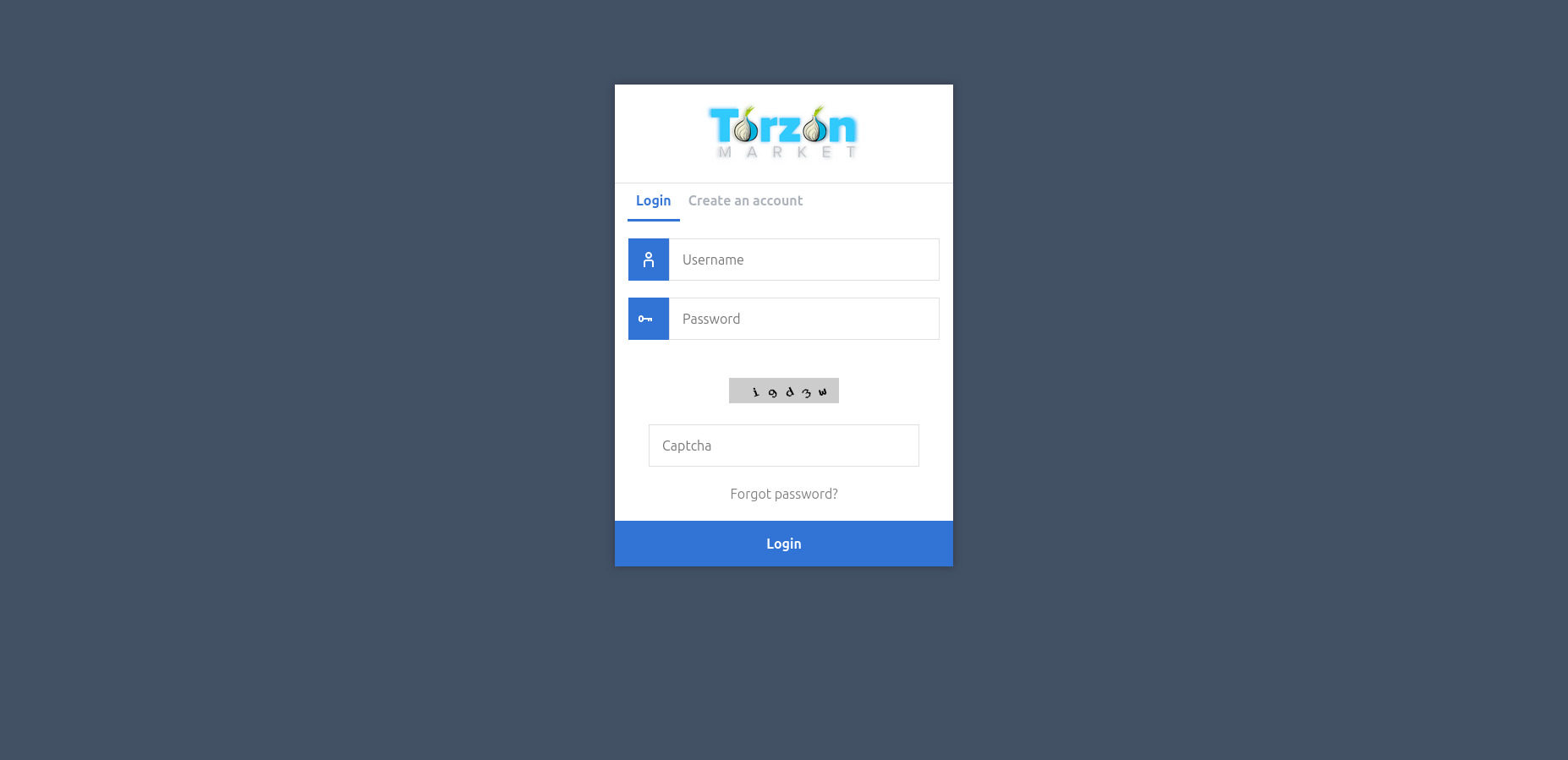
Fig 2. Encrypted Login Interface
Standardized login requiring PGP 2-Factor Authentication decryption for access.
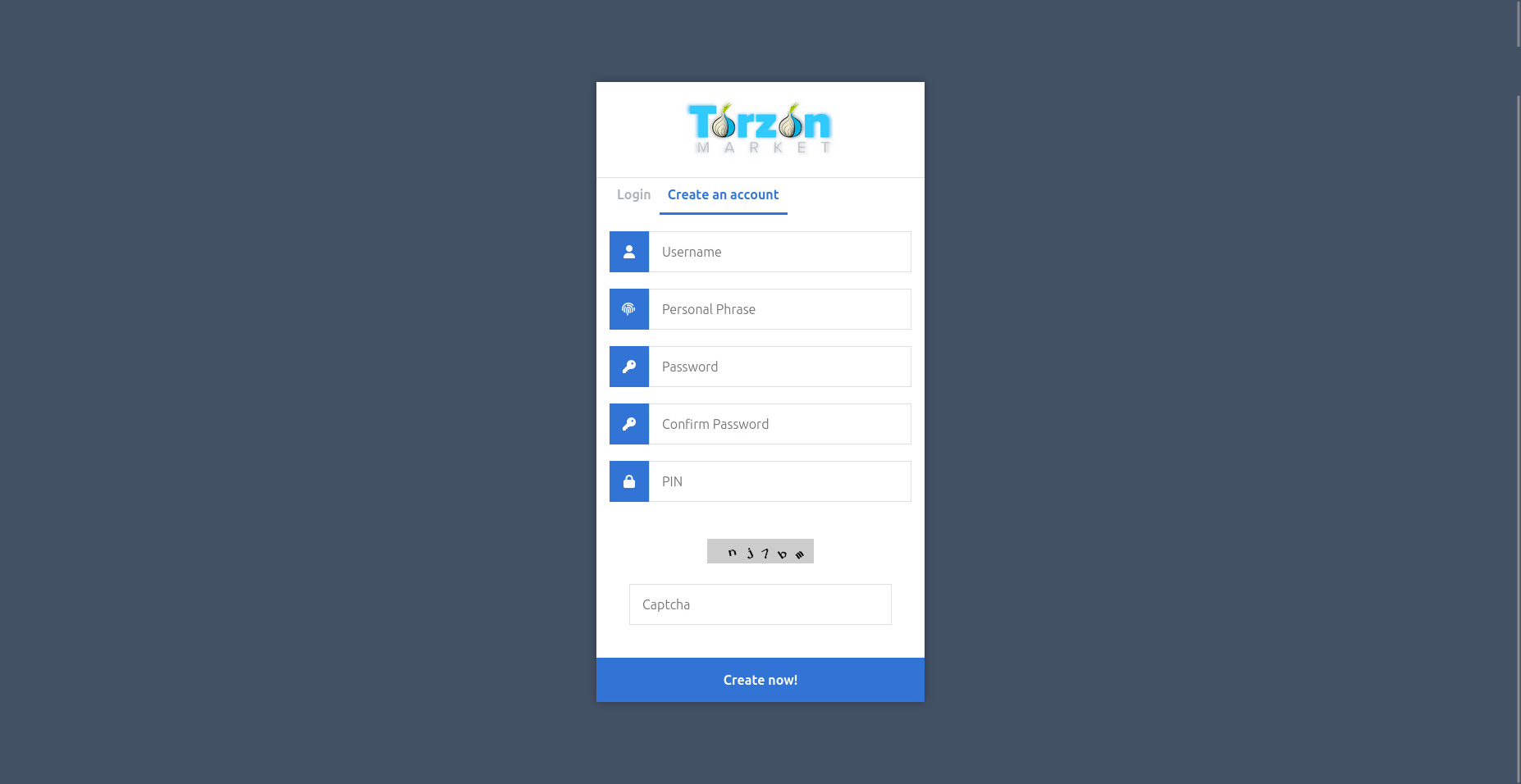
Fig 3. Account Registration
Minimalist registration form prioritizing user anonymity and mnemonic recovery generation.
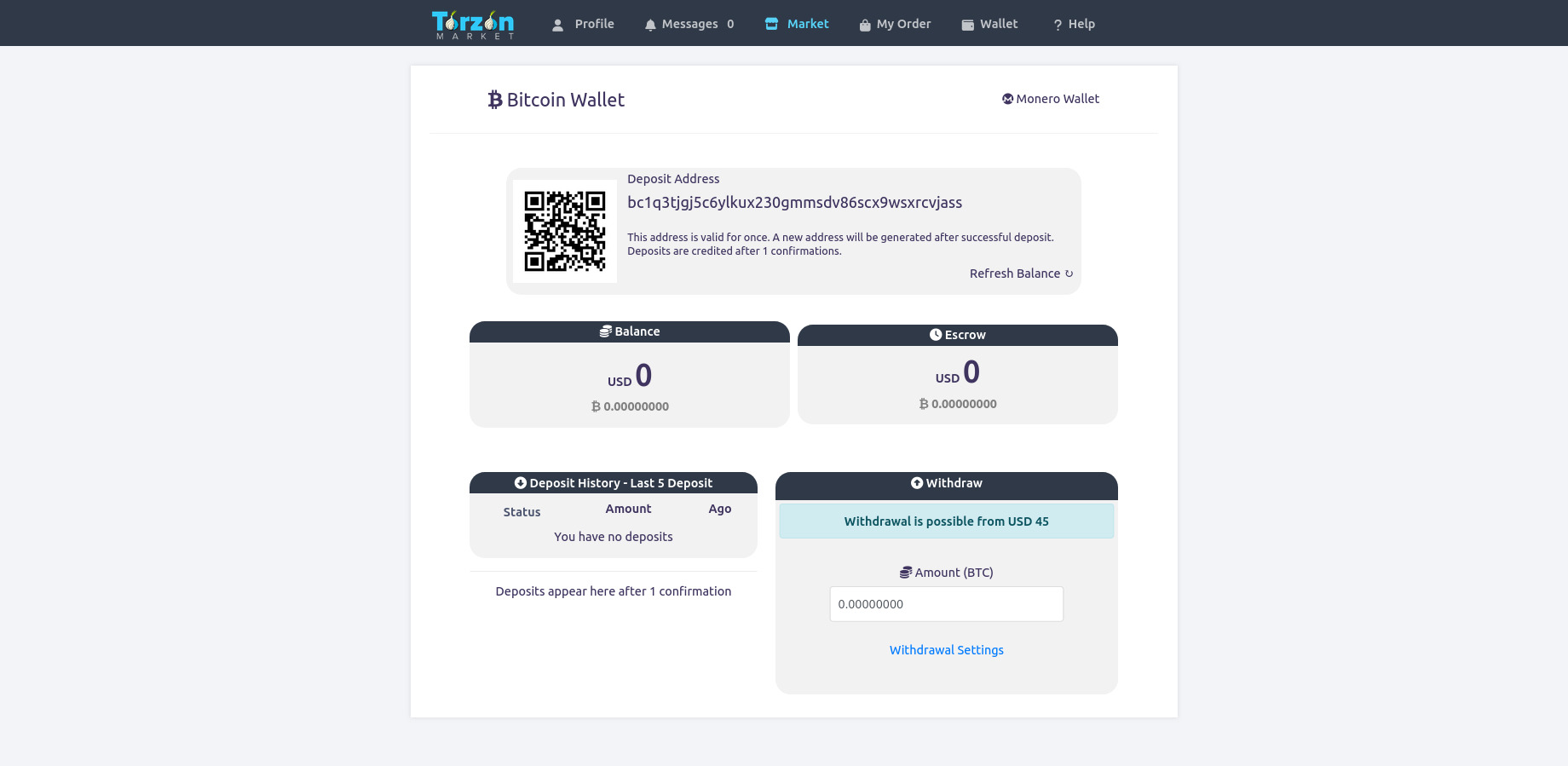
Fig 4. Main Market Dashboard
Central navigation hub displaying categories, exchange rates, and notification alerts.
Verified Network Statistics
*Data represents estimated metrics aggregated from public directory listings and signed administrative updates. User counts are approximate based on public forum discussions.